Sorting Transmission Myths From What Actually Happens
You probably have a lot of questions about towing and transmissions, so we want to clear the air with plain facts. In our world of Tualatin towing, the biggest issue our tow truck operators see starts with how a vehicle moves power when the engine is off. Automatic transmissions rely on fluid circulation, and that circulation usually stops when the engine stops. When a vehicle rolls with its drive wheels on the ground, internal components can spin without lubrication. Heat builds fast, friction rises, and damage can begin before a driver even realizes something is wrong. That damage does not always show up immediately, which makes the cause easy to miss later.
Flat Towing, Wheel Lift, and Why Method Matters
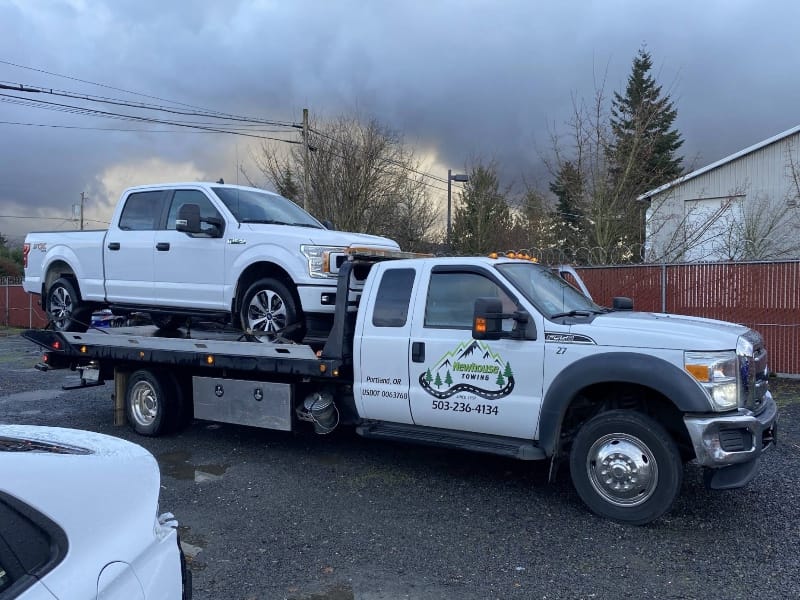
Not all towing methods affect transmissions the same way, and that detail matters. Flat towing keeps all four wheels off the road, which prevents internal movement inside the transmission. Wheel lift towing raises one end of the vehicle, but the correct end must be lifted to avoid internal rotation.
Problems usually happen when a vehicle is pulled in neutral with drive wheels still rolling. Some manufacturers allow this for short distances, others do not allow it at all. Owner manuals give guidance, but in real life, stress and roadside confusion often lead to rushed decisions.
Here are a few factors that influence transmission risk during a tow:
- Drivetrain type such as front wheel, rear wheel, or all-wheel drive
- Distance the vehicle is towed
- Speed during the tow
- Transmission design and age
Common Myths That Lead to Expensive Repairs
One myth we hear often is that neutral protects everything. Neutral only disconnects engine power, it does not stop internal movement. Another belief is that short tows do not matter, but damage can start in just a few miles.
People also assume newer vehicles handle towing better. Some do, some do not. Modern transmissions can be more sensitive because of tighter tolerances and electronic controls. Guessing instead of confirming is where repair bills grow.
We always encourage drivers to pause before approving a tow. Asking one clear question about tow method can prevent weeks of frustration later.
Newhouse Towing Offers Tualatin Towing You Can Trust
At Newhouse Towing, we talk openly about transmission risks because honesty helps drivers make better choices. When we respond for Tualatin towing, we look at the vehicle first, not the clock. That approach lets us match the tow method to the drivetrain every time.
We spend a lot of time explaining options on scene, especially during Tualatin towing calls involving all-wheel drive or low clearance vehicles. Clear explanations help drivers feel confident about what happens next. We also document tow methods so there is no confusion later. That approach shapes how we handle Tualatin towing jobs in all conditions.
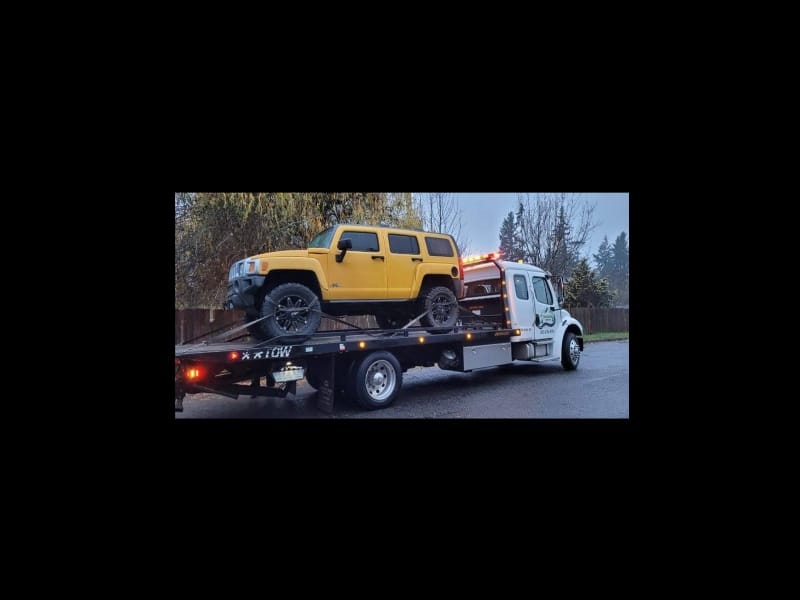
When people ask us about transmission damage, we give real answers based on experience. That honesty has shaped how we approach Tualatin towing every day. If a flatbed is the right choice, we say so. If a wheel lift works, we explain why. After years of Tualatin towing, we know clarity saves everyone time, money, and frustration.
FAQ
Can towing damage a transmission even if the car is in neutral?
Yes. Neutral disconnects engine power but does not stop internal parts from moving. Without active fluid circulation, heat and friction can build and cause damage.
Does a short tow really matter for transmission health?
It can. Even brief distances can create wear if the drive wheels are rolling on the ground. Damage does not require long highway miles to begin.
Are automatic and manual transmissions affected the same way when towed?
No. Automatic transmissions are generally more vulnerable because they rely on fluid movement driven by the engine. Manual transmissions can still be damaged depending on design and tow method.
Why do some vehicles require flatbed towing?
Certain drivetrains continue spinning internal components when wheels roll. Lifting all wheels prevents that movement and reduces internal stress during transport.
Do newer vehicles handle towing better than older ones?
Not always. Many modern transmissions have tighter tolerances and electronic controls that leave less margin for error during a tow.
How can a driver reduce transmission risk before a tow begins?
Ask how the vehicle will be lifted, which wheels will stay off the ground, and if the tow method matches the drivetrain. Clear questions upfront help prevent avoidable damage.