
A Quiet Garage and a Long Goodbye
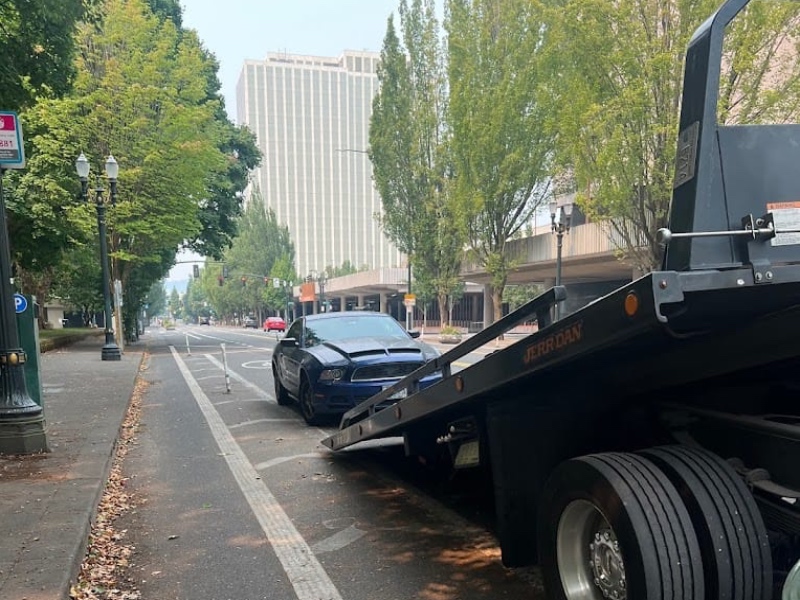
There is a particular feeling to that last drive before a vehicle goes into long-term storage. The cabin is cleaner than it has been all year, the gas tank is freshly topped off, and a quiet worry sits in the back of the owner’s mind about what will be waiting at the other end. A car parked for a winter, a deployment, or a year abroad needs the same handful of steps before storage; skipping them can mean a long crank, a dead battery, or an Oregon City towing call to the storage lot of our tow truck company.
Storage prep is not complicated. A few hours of attention now saves dozens later, spread across cleaning, fluids, tires, battery care, and where the vehicle actually sits.
Clean It First, Inside and Out
A dirty car gathers problems during storage that are hard to undo. Tree sap, bird droppings, road salt, and brake dust eat into paint and chrome over months. A thorough wash, including the undercarriage, removes the corrosive material that does the most damage between starts.
The interior matters as much. Crumbs, drink spills, and leftover food invite mice, ants, and mold. Vacuum every seat, wipe down dashboards and consoles, and pull out anything that could spoil.
Top Off Fluids and Stabilize the Fuel
Engines do not love sitting empty or half full. Fuel in a partial tank gathers condensation, which leads to moisture in the lines and a rough start later. Fill the tank before parking and add a fuel stabilizer rated for the storage length.
Oil should be fresh too. Old oil holds contaminants that sit on engine surfaces while the car rests. A fresh oil change, a coolant check, and a top-off of brake and transmission fluid round out the under-hood prep.
The Battery, Tires, and Brakes
A simple checklist keeps the rest of the prep focused:
- Disconnect the battery or hook it to a trickle charger to prevent slow drain
- Inflate tires to the upper end of recommended PSI to fight flat spots
- Leave the parking brake off if the car will not be moved, so the pads do not rust to the rotors
- Cover wiper blades with plastic so they do not stick to the windshield
- Place a barrier under the tires if storing on concrete to slow tire degradation
Each takes only a few minutes, and skipping one shows up later as a small problem that grew large.
Choose the Right Place to Store It
Where the vehicle sits matters as much as how it is prepared. A climate-controlled garage tops the list, though a clean, dry driveway with a breathable car cover works for most cars over a season. Avoid sheds with leaky roofs, lots with standing water, or any spot where mice are common.
If the vehicle will sit outdoors, position it on level ground, away from trees that drop sap or branches. A shaded spot with good drainage produces fewer surprises at pickup time.
When Storage Goes Sideways
Even the best-prepared vehicle can need help coming out of storage. Batteries fail, tires lose air past the point of safe driving, and rodents occasionally reach wiring. An Oregon City towing call from a long-term storage spot is more common than most owners expect, especially after a deployment or long relocation.
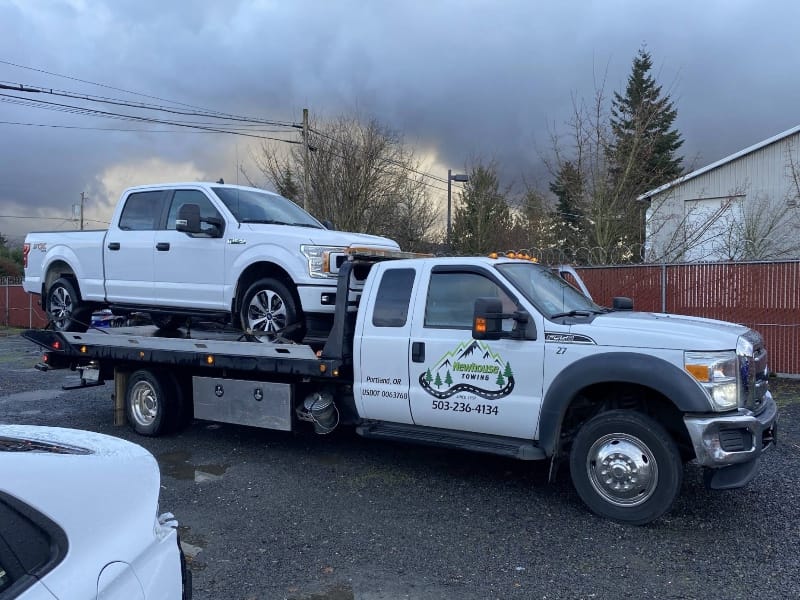
An Oregon City towing crew can roll the car onto a flatbed and move it to a shop without forcing a stubborn start. Repeated cranking on a long-stored engine punishes the starter, and most Oregon City towing operators arrive ready to load without damage.
Newhouse Towing on Oregon City Towing and Vehicles Coming Out of Storage
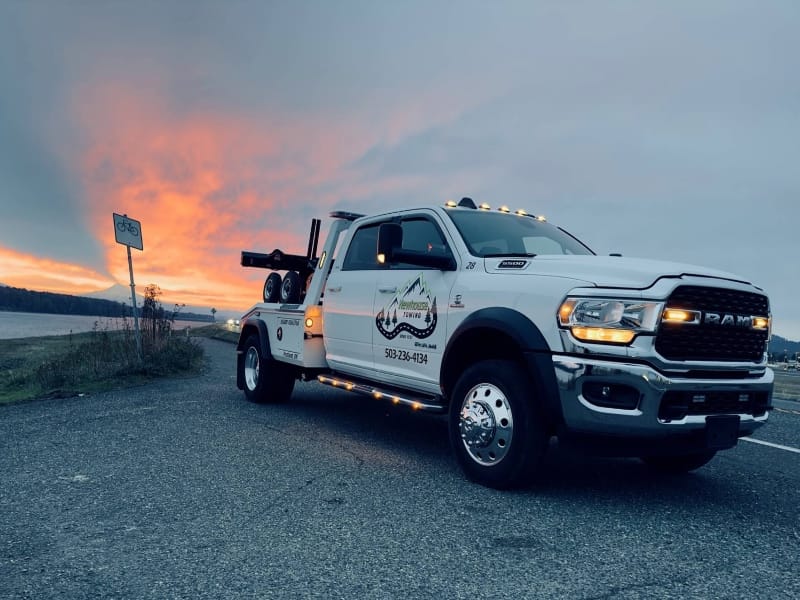
At Newhouse Towing, our Oregon City towing crews see plenty of long-stored vehicles, from snowbird sedans to classics rolled out of a garage after years of sleep. Since 1937, we have built our reputation on flat-rate quotes, fast response times, and the kind of care that keeps customers calling back. Every job uses HAAS Safety Cloud, which alerts approaching drivers in real time and reduces collision risk on a roadside scene by more than 90 percent.
If your vehicle has been sitting for a season or longer, save Newhouse Towing’s contact info in your phone for the next Oregon City towing call. From the Portland metro area, dial our number and we will be on the way.
Frequently Asked Questions
How long is considered “long-term” storage?
Most owners and shops treat anything beyond 30 days as long-term storage. At that point, the small habits that protect a daily driver, like a weekly start or a short trip, are no longer happening. Storage prep should start anytime a car will sit for a month or more.
Should I start the car occasionally during storage?
Probably not, unless you can drive it for at least 20 minutes to fully warm the engine and recharge the battery. Brief starts in a driveway often do more harm than good. They burn off the protective oil film and leave moisture in the exhaust without ever reaching operating temperature.
Should I keep insurance on a stored vehicle?
Most experts recommend keeping at least comprehensive coverage on a stored vehicle, which protects against theft, fire, vandalism, and weather damage. Some owners reduce liability coverage during storage. Check with your insurance provider before making changes, since canceling coverage entirely can affect future rates.
What about storing an electric vehicle?
Electric vehicles need a different approach. Most manufacturers recommend leaving the battery between 30 and 60 percent charge for long-term storage, not at 100 percent. Park in a cool, dry place and check the state of charge every few weeks. Some EVs allow scheduled charging to maintain an ideal storage level.
Is it okay to leave the windows slightly cracked?
In a climate-controlled garage, leaving windows cracked an inch can reduce mold and stale air. In any other setting, including a regular garage or carport, keep windows fully closed. An open window invites mice, insects, and humidity, all of which cause more damage than stale interior air.
What is the best way to get a stored car running again?
Start with a visual inspection: tires, fluids, belts, and any signs of rodent activity. Reconnect the battery, check tire pressure, and turn the key without cranking to let the fuel pump prime. If the car has been sitting longer than six months, a mechanic’s pre-drive inspection is the smartest first step.