Fast, Curious, and Carefully Loaded
A low-slung sports car sits in a garage with barely four inches of ground clearance. A restored coupe waits under a cover in a climate-controlled shop. A race car arrives with no plates, no registration, and no chance of driving on public roads. Portland exotic vehicle towing starts with knowing that each of these vehicles needs a different plan.
We take a slower approach because these cars carry more than a high price tag. Owners often spend years restoring, tuning, or preserving them. A small mistake during loading can scrape a splitter, bend a frame, or damage paint that took months to match.
Why Exotic and Antique Vehicles Need Extra Care
Exotic cars often ride lower than standard vehicles, and many use carbon fiber body panels, wide tires, or custom suspension setups. Those parts sit close to the ground, so a steep ramp can create damage before the vehicle even reaches the truck. We inspect the approach angle before we move anything.
Classic and antique vehicles bring a different challenge. Older cars may have weak brakes, aging suspension parts, or delicate trim pieces that no longer exist in stores. We keep those details in mind and avoid sudden movement during loading and transport.
Non-Street-Legal Cars Require a Different Process
Many track cars and race-prepped vehicles cannot legally drive on public roads. They may lack lights, mirrors, registration, or emissions equipment. We transport these vehicles from private garages, race shops, events, and storage facilities.
Before we load a non-street-legal vehicle, we check a few key details:
- Ground clearance
- Tire condition
- Wheel width
- Wheel lock location
- Trailer clearance
- Battery and steering status
That information helps us decide how to load the vehicle and where to secure it during transport.
How We Load and Transport High-End Vehicles
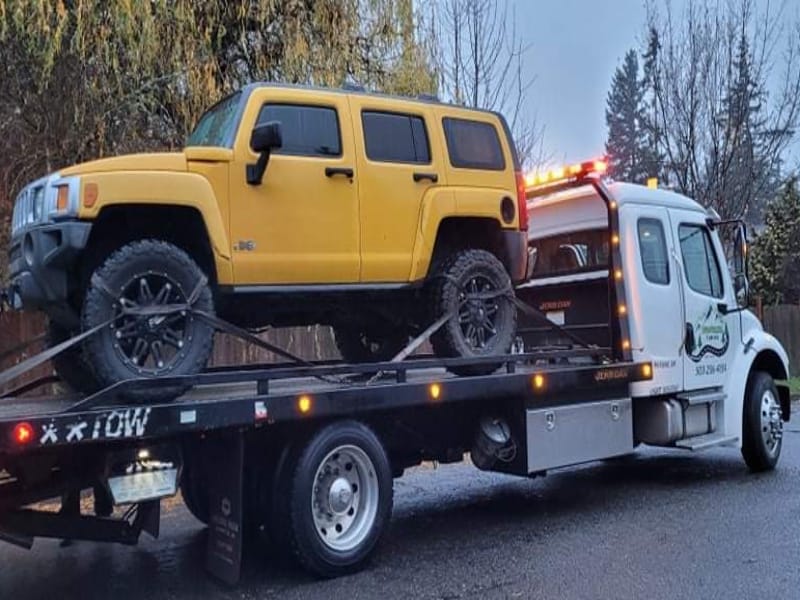
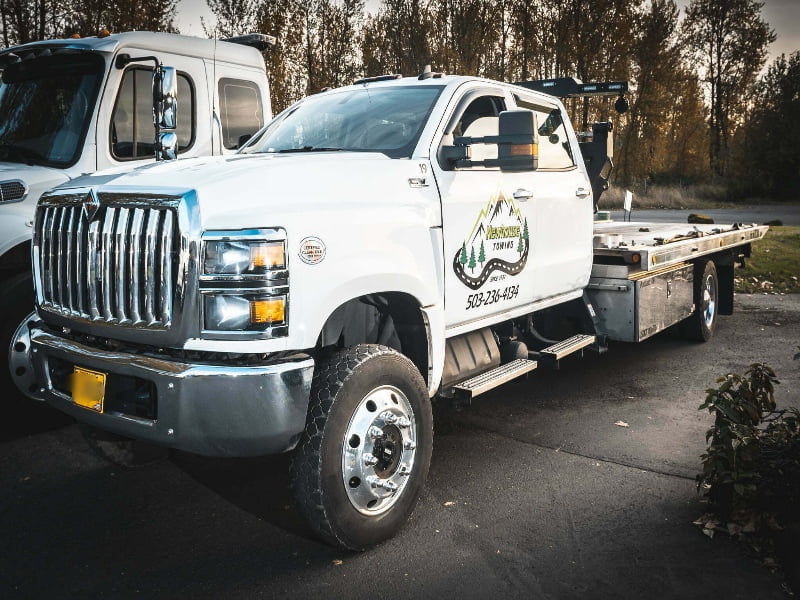
We start with a flatbed because it gives us more control. We lower the bed as much as possible and use extended ramps or ramp extensions when the vehicle sits close to the ground. That keeps the front bumper, side skirts, and underbody from scraping.
We Secure the Vehicle Without Damaging It
We avoid hooks on suspension parts or exposed body pieces. Instead, we use soft straps and wheel straps that hold the vehicle in place without putting pressure on sensitive areas. Portland exotic vehicle towing often depends on these small details because many exotic vehicles have bodywork that sits close to the tires.
We also inspect the vehicle before transport and take note of any existing marks or damage. That gives everyone a clear record before the trip begins. During the towing process, we stop and recheck the straps if the trip covers a long distance.
Weather and Storage Matter Too
Rain, road debris, and long drives can create problems for antique and collectible vehicles. Some owners prefer enclosed transport for rare or freshly restored cars. That option keeps the vehicle cleaner and adds another layer of protection during Portland exotic vehicle towing.
Storage matters after transport as well. We often deliver these vehicles to climate-controlled garages, restoration shops, museums, or private collections. Portland exotic vehicle towing does not end when the truck arrives. We stay careful until the vehicle sits exactly where the owner wants it.
Why Newhouse Towing Service Handles Portland Exotic Vehicle Towing With Care
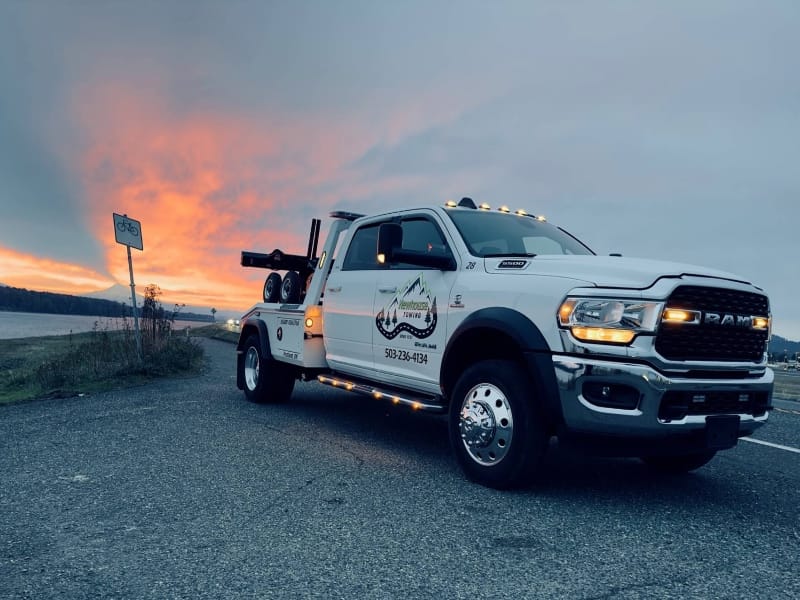
At Newhouse Towing Service, we treat every exotic, classic, and antique vehicle like it belongs in a collection. We take time to inspect the vehicle, plan the loading angle, and choose the right straps for the job. Portland exotic vehicle towing requires patience, and we bring that approach to every transport.
We also move race cars, custom builds, and non-street-spec vehicles that cannot travel under their own power. From vintage classics to modern exotics, we handle Portland exotic vehicle towing with the same careful process every time.
FAQ
What is the safest way to transport an exotic car?
A flatbed with extended ramps works best for most exotic cars. Soft straps and wheel straps keep the vehicle secure without putting pressure on the body or suspension.
Can you tow a car that sits very low to the ground?
Yes. We use ramp extensions and a gradual loading angle for low-clearance vehicles. That helps prevent damage to the front bumper, splitter, and undercarriage.
How do you transport a non-street-legal vehicle?
We load it onto a flatbed or trailer and secure it for transport. We also check steering, tire condition, and ground clearance before moving it.
Should a classic car go on an enclosed trailer?
An enclosed trailer gives extra protection from weather, dirt, and road debris. Many owners choose it for restored, antique, or collector vehicles.
Can you move a race car that does not run?
Yes. We can transport race cars that do not start or drive. We use a winch and loading plan that fits the car’s condition and dimensions.
How do you secure an antique vehicle without causing damage?
We avoid attaching chains or hooks to fragile areas. Soft straps around the wheels hold the vehicle in place and protect older parts.