A Blowout Can Rattle Any Driver
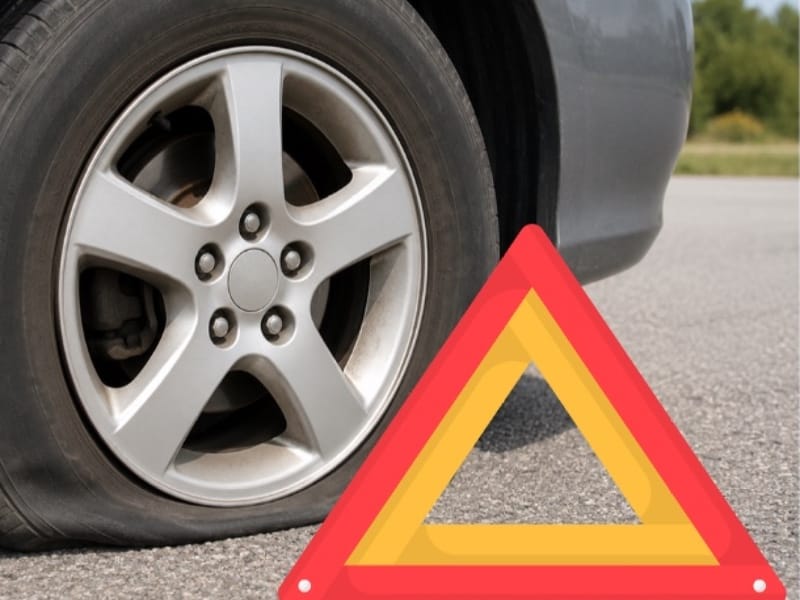
A tire blowout on US-26 can turn a normal drive into a white-knuckle moment. The sound is sudden, the steering wheel may pull, and traffic keeps moving while the driver tries to get control. On US-26 towing calls, we often hear the same thing from drivers: it happened faster than they expected.
A blown tire does not always mean the vehicle needs a tow!
Sometimes a spare tire or roadside tire service solves it. But if the rim is damaged, the tire shredded into the fender, or the car is sitting in a bad spot on the shoulder, towing may be the safer next step.
Why Passenger Car Tires Blow Out
Low tire pressure causes a lot of blowouts. When a tire is underinflated, it flexes too much, heats up, and can come apart on the road. Old tires, potholes, worn tread, road debris, and overloaded trunks or SUVs can add to the problem.
Heat makes it worse. A tire that looks fine in the driveway may fail after miles of highway driving, especially in summer traffic or on long uphill stretches. We have seen tires split after hitting debris that the driver barely noticed at the time.
What To Do in the First Few Seconds
The first move is to stay calm and hold the wheel steady. Do not slam the brakes. Ease off the gas and let the car slow down while you guide it toward the shoulder or a safer pull-off. The worst damage often comes from a panic move after the tire fails. Once stopped, turn on the flashers and stay out of traffic. If the shoulder is narrow, the safest place may be inside the vehicle with the seat belt on until help arrives, unless there is a fire, smoke, or another immediate danger. A flat tire is frustrating. Standing beside fast traffic is worse.
When a Tire Problem Becomes a Tow
A spare tire can help if the car has one, the wheel is not damaged, and the vehicle is in a safe place to work. Many newer cars do not carry a full spare anymore. Some only have an inflator kit, and that will not help if the tire is shredded or the sidewall is torn.
US-26 towing is your better option when:
- The rim is bent or cracked
- The tire shredded into the fender
- The car is too close to traffic
- There is no spare tire
- The lug nuts will not loosen
- The vehicle pulls, scrapes, or will not roll normally
On US-26 towing calls, we also look for damage drivers may not notice right away. A blowout can tear plastic liners, damage sensors, bend trim, or leave sharp rubber and metal under the car.
What Drivers Should Avoid
Do not keep driving on a flat tire. Even a short distance can ruin the rim, damage the suspension, or make the car harder to tow. We have seen drivers try to reach the next exit and turn a tire problem into a much more expensive repair.
Do not change a tire if traffic is too close or the ground is uneven. A jack can slip on gravel, soft dirt, or a sloped shoulder. For US-26 towing, dispatch can help decide if roadside help, a tow truck, or another response makes the most sense based on where the car is sitting.
Newhouse Towing: Portland’s Reliable US-26 Towing Team
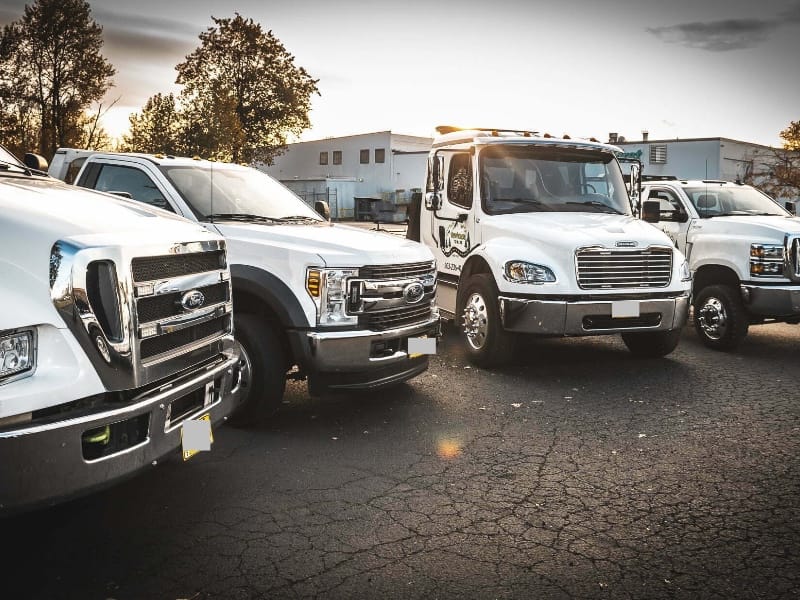
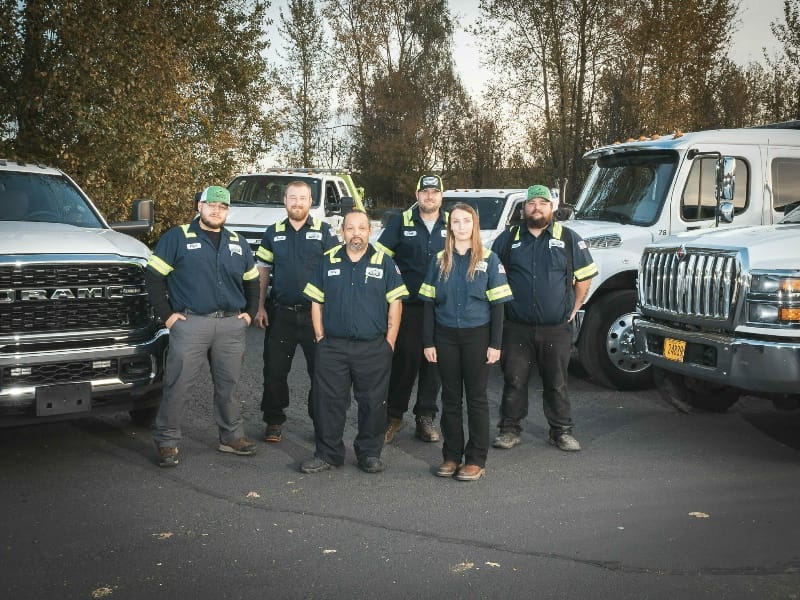
Newhouse Towing Service opened in 1937 and has been helping drivers get to the next safe step for generations. We operate 24 hours a day, 7 days a week, 365 days a year because tire blowouts, lockouts, dead batteries, and roadside problems do not wait for business hours. Our US-26 towing dispatchers ask where the car is, what tire failed, if the rim looks damaged, and whether the vehicle is in traffic.
We also use HAAS Safety Cloud to send real-time alerts to approaching drivers while we work. That matters on narrow shoulders where cars pass close. Some US-26 towing calls only need a short ride to a tire shop. Others need help getting a damaged car out of a bad spot before the problem gets worse. Our job is to get the driver, the vehicle, and the next step lined up without adding more stress to the roadside.
FAQs
What should I do first if my tire blows while driving?
Hold the wheel steady and avoid slamming the brakes. Ease off the gas and guide the car toward a safe shoulder or pull-off when traffic allows.
Is it safe to drive on a blown tire?
No, not for more than the short distance needed to get out of traffic. Driving on a shredded tire can bend the rim, damage suspension parts, and make the car harder to move.
Can I use an inflator kit after a blowout?
Only if the tire has a small puncture and the sidewall is still intact. An inflator kit will not fix a shredded tire, torn sidewall, or damaged rim.
Why do newer cars not always have spare tires?
Many newer cars use inflator kits or run-flat tires to save space and weight. Drivers often find out during a roadside problem, which can turn a flat tire into a tow.
When should I avoid changing a tire myself?
Avoid changing it if traffic is close, the ground is sloped, the shoulder is narrow, or the lug nuts will not loosen. A jack can slip on soft ground, gravel, or uneven pavement.
Can a tire blowout damage sensors or wiring?
Yes. Loose rubber can tear wheel well liners, wiring, tire pressure sensors, plastic trim, and nearby body parts. It is worth checking for hidden damage before driving again.