The First Decisions Are Usually the Most Important
A driver called us after getting rear-ended during the morning commute. The damage looked minor, but the car was sitting partly in a travel lane while traffic continued moving around it. We see situations like this often during Portland accident recovery calls. The crash itself is only part of the danger. The minutes that follow can become even more hazardous if drivers are unsure what to do next.
We’ve been helping motorists since 1937, and one thing has stayed the same. The people who stay calm and focus on safety usually avoid making a difficult situation worse. Those first ten minutes are about protecting yourself before thinking about the vehicle.
Move to Safety If You Can
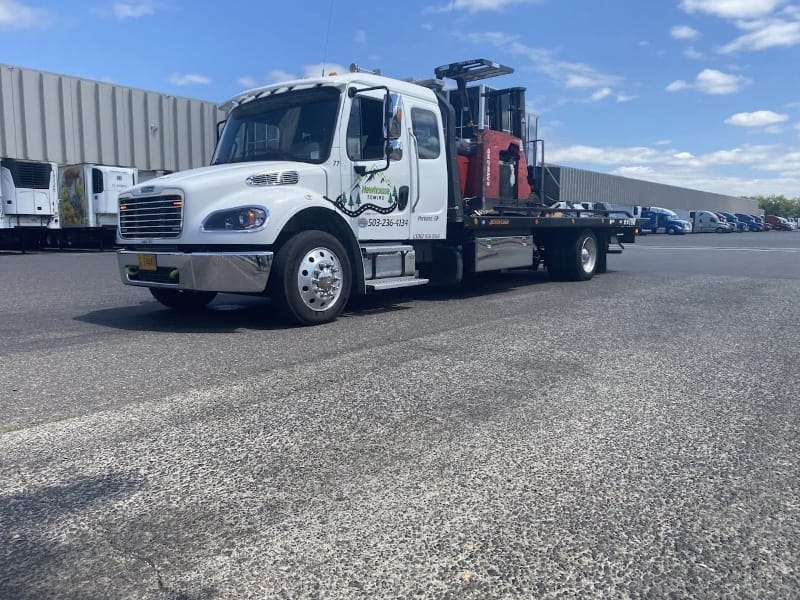
If your vehicle can still be driven and it is safe to do so, move it completely off the roadway. A shoulder, parking lot, or side street is always better than sitting in an active lane. Even a small collision can quickly turn into a much larger one when traffic cannot react in time.
If the vehicle will not move, turn on your hazard lights immediately. Stay inside with your seat belt fastened if leaving the vehicle would place you in moving traffic. If you can safely reach a protected area away from traffic, move there and wait for emergency responders. During many Portland accident recovery calls, secondary crashes create more damage than the original collision.
Call 911 Before Making Other Calls
After everyone is safe, call 911 if there are injuries, blocked lanes, or significant vehicle damage. Emergency responders can secure the scene, assist anyone who is hurt, and begin documenting the accident.
Once help is on the way, contact your insurance company and call us to arrange for Portland accident recovery if your vehicle cannot be driven. Have your location ready, including nearby intersections, landmarks, or highway exits. Accurate information helps responders and tow operators reach you faster.
Protect Yourself While You Wait
Many people immediately start looking over their vehicle for damage. We recommend waiting until you are somewhere safe before doing that. Standing beside a disabled vehicle on a busy roadway puts you at unnecessary risk.
If you have emergency triangles or reflective devices and can place them without entering traffic, use them. Otherwise, remain in a safe location and let first responders manage the scene.
- Turn on your hazard lights.
- Move off the roadway if possible.
- Call 911 when needed.
- Stay away from moving traffic.
- Wait for responders before inspecting major damage.
Take Photos Without Putting Yourself at Risk
If you can safely do so, photograph the accident scene before vehicles are moved. Capture the damage, road conditions, traffic signs, and the position of each vehicle. These photos often become useful during insurance claims.
Avoid discussing fault with the other driver at the scene. Exchange insurance and contact information, answer questions from law enforcement honestly, and allow the investigation to determine what happened.
Newhouse Towing: Your First Call For Portland Accident Recovery
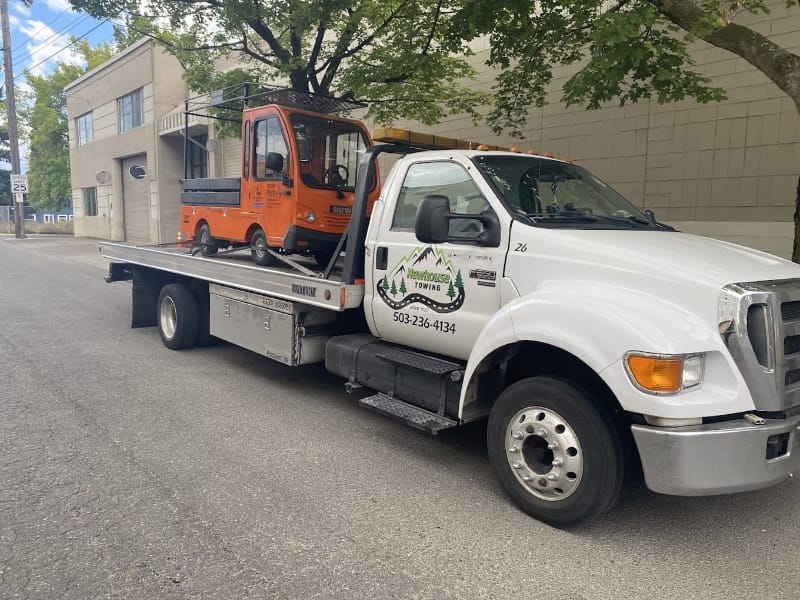
Since 1937, Newhouse Towing has helped drivers through breakdowns, collisions, and roadside emergencies throughout the Portland area. Our fleet is quick to respond, and we use HAAS Safety Cloud technology on every Portland accident recovery call to alert approaching motorists that an incident is ahead. Studies have shown this technology can reduce the risk of secondary collisions by more than 90 percent, making roadside scenes safer for everyone involved.
Every Portland accident recovery call is handled with safety first. Our Portland accident recovery operators receive continuing education to stay current with the latest recovery procedures and roadside safety practices. Whether your vehicle needs a short tow after a minor collision or recovery following a more serious crash, our goal stays the same: protect the people first, then recover the vehicle.
FAQs
Should I move my vehicle if it still drives after a collision?
If you can safely move it out of traffic, yes. Getting to a shoulder or parking lot can reduce the chance of another crash. If the vehicle feels unsafe to drive, leave it where it is and wait for help.
What information should I exchange with the other driver?
Get their name, phone number, driver’s license number, insurance details, and vehicle registration. Taking photos of these documents can help prevent mistakes later.
Is it okay to drive away if the damage looks minor?
Only if the vehicle is safe to operate and local laws allow it. Hidden damage to the steering, suspension, or brakes may not be obvious right away.
What photos are most helpful after an accident?
Take pictures of all vehicles involved, license plates, road conditions, traffic signs, and the surrounding area. A few wide shots and several close-ups usually provide the best record.
Should I accept a cash offer instead of filing a claim?
It is usually better to document the accident first. Damage that looks minor can become much more expensive once repairs begin.
Why do tow operators ask for my exact location?
A precise location helps dispatch send the closest truck and the right equipment. Mile markers, nearby intersections, and landmarks all make it easier to find you quickly.