When the Needle Hits E on the Highway
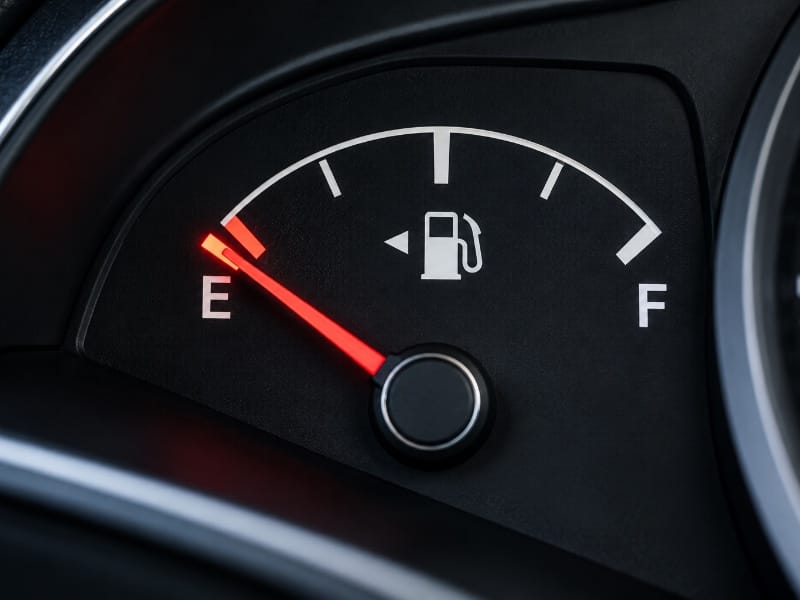
Portland traffic can be unforgiving, especially during rush hour when I-5 is packed and everyone seems to be in a hurry. Imagine watching your fuel gauge drop toward empty, hoping you can make it to the next exit. Then the engine starts sputtering. Your stomach sinks as you realize you’re about to be stranded, and there’s barely enough room on the shoulder to pull over.
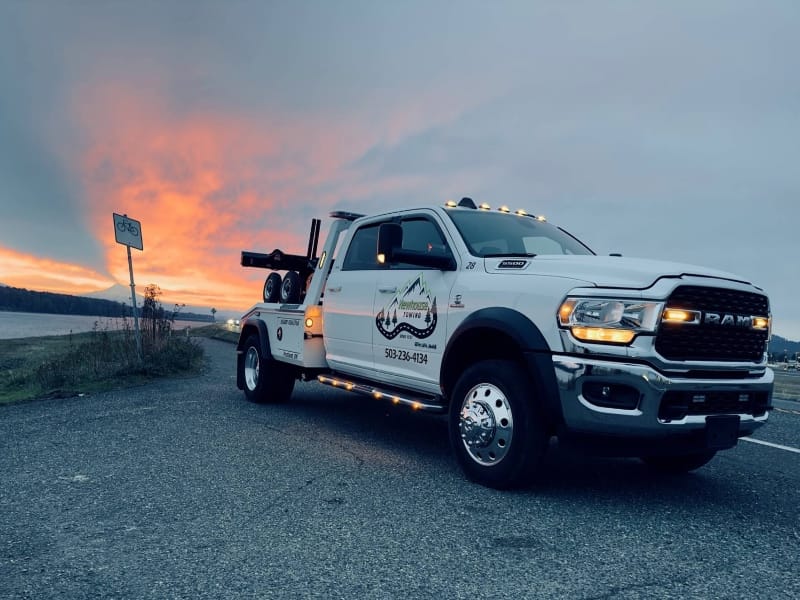
Running out of gas on I-5 or the Sunset Highway is stressful enough without cars and trucks flying past just a few feet away. You might be frustrated with yourself for not filling up sooner, but right now, getting somewhere safe matters more than anything else. At Newhouse Towing, we understand how unsettling those moments can be. When you call us for I-5 fuel delivery, our priority is helping you get fuel and get moving again without putting you or our operators in unnecessary danger.
Don’t Gamble on the Next Exit
When a car begins losing power, it’s tempting to keep going and hope a gas station appears. But a stalled engine may leave you with reduced steering or braking assistance, and a narrow shoulder makes the situation harder.
If you can reach an exit or safe stopping area, that’s preferable to stopping beside fast-moving traffic. Otherwise, signal, steer toward a safe shoulder or emergency stopping area if possible, and switch on your hazard lights. If the car stops in a travel lane or you are in immediate danger, call 911.
Don’t try to push the car along the freeway or walk to a gas station. Even a short stretch can put you dangerously close to traffic.
A Tight Curve Is a Bad Place to Be Stranded
Highway 26, the Sunset Highway, carries drivers through busy stretches west of Portland. The Terwilliger curves on I-5 present their own challenges, with turning traffic and sightlines that can make a stopped car harder to notice.
If you’re safely out of the travel lanes, staying belted inside the car may be the safest choice. If the vehicle is exposed to traffic or there is an immediate threat, move to a safer location away from the roadway only when you can do so without entering traffic.
We know a fuel stop feels like a simple inconvenience. It can be anything but simple when traffic is rushing past your door.
Tell Us Where You Are, Not Just Which Highway
“Somewhere on I-5” leaves a lot of road to search. The direction you’re traveling, the last exit you passed, and the nearest milepost tell us much more.
Before calling for help, note your position if you can do so without stepping into traffic. Your phone’s map can help, but mile markers and exit numbers are useful too. We also need to know whether your car takes gasoline or diesel. Bringing the wrong fuel won’t solve the problem.
What Happens When We Bring Fuel?
The point of roadside fuel delivery on I-5 is to bring fuel to the car rather than have you walk along the highway looking for it. Once you contact us, we need enough information to locate you and understand the situation. If you’re in a lane of traffic, that’s an emergency, not a normal fuel stop.
For emergency gas delivery along I-5, here’s what helps us respond:
- Travel direction and location: Northbound or southbound, plus an exit or milepost
- Fuel type: Gasoline or diesel, according to your vehicle
- Where you’re stopped: Shoulder, ramp, parking area, or travel lane
- Anything unusual: Poor visibility, collision damage, or a car that won’t restart
When our operator arrives, the roadside situation matters as much as the empty tank. On a narrow shoulder, we need to be conscious of passing vehicles while providing assistance.
A Gallon of Gas Doesn’t Fix Every Breakdown
Sometimes the gauge reads empty and that’s exactly the problem. Other times, a vehicle may fail to restart even after fuel is added. Running extremely low can also leave other issues to be checked.
If fuel delivery near I-5 doesn’t get the engine running, we can discuss the next appropriate service instead of assuming more gasoline is the answer. A tow may be needed, depending on what has failed.
We would much rather establish that before you spend more time stranded at the roadside.
Newhouse Towing: Your Reliable I-5 Fuel Delivery Service
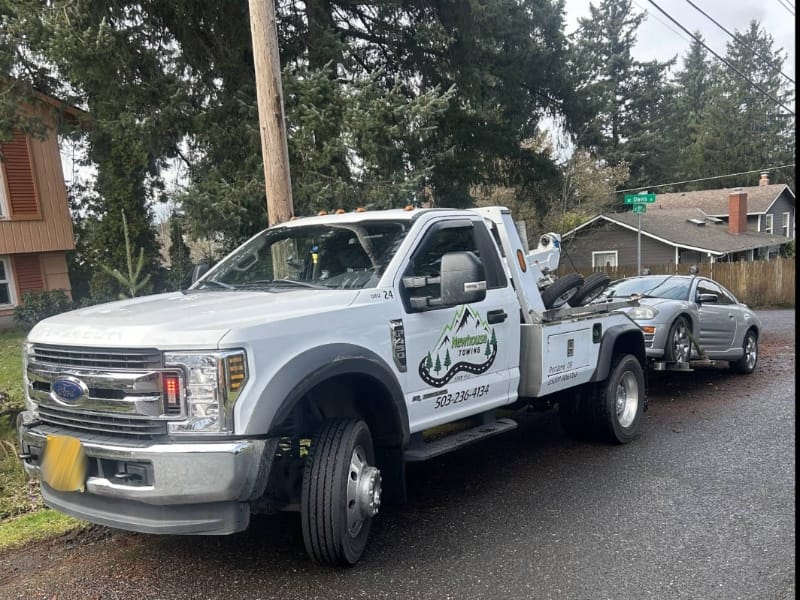
We’ve been helping Portland-area drivers since 1937. At Newhouse Towing Service, we want roadside assistance to be clear and straightforward, with guaranteed rates and no hidden costs.
We take roadside visibility seriously. That’s why we use HAAS Safety Cloud on every job to send real-time alerts about a stopped vehicle to approaching motorists using compatible systems. It doesn’t replace careful driving or Oregon’s Slow Down, Move Over requirements, but it’s another way we work to make roadside stops safer.
Whether you need fuel delivery on I-5 or roadside gas assistance near I-5, tell us where you’re stopped and what’s happening. We’ll help you work out the next move, whether that’s getting fuel into the tank or arranging a tow.
Frequently Asked Questions
What should I do first if I run out of gas on I-5?
Try to move to a safe shoulder or exit before the engine stops completely, if possible. Turn on your hazard lights and call for roadside assistance. If you’re stopped in an active traffic lane, call 911.
Can a towing company bring gas directly to my car?
Yes. Roadside fuel delivery allows us to bring fuel to your location so you don’t have to walk along the highway looking for a gas station.
What information should I provide when requesting fuel delivery?
Tell us which highway you’re on, your direction of travel, and the nearest exit or milepost. We also need your fuel type and a description of where your car is stopped.
Is it safe to wait inside my car on the shoulder?
It depends on your position and the traffic around you. If you’re safely out of traffic, remaining buckled inside may be safest. If you’re in immediate danger, move away from the roadway when you can do so safely.
What if my car won’t start after adding fuel?
Another problem may be preventing the engine from starting. If adding the correct fuel doesn’t resolve it, towing or mechanical assistance may be necessary.
How does HAAS Safety Cloud help during roadside assistance?
The system sends digital alerts to approaching drivers using compatible navigation and vehicle systems. These warnings can give motorists advance notice of a stopped vehicle and roadside responders.